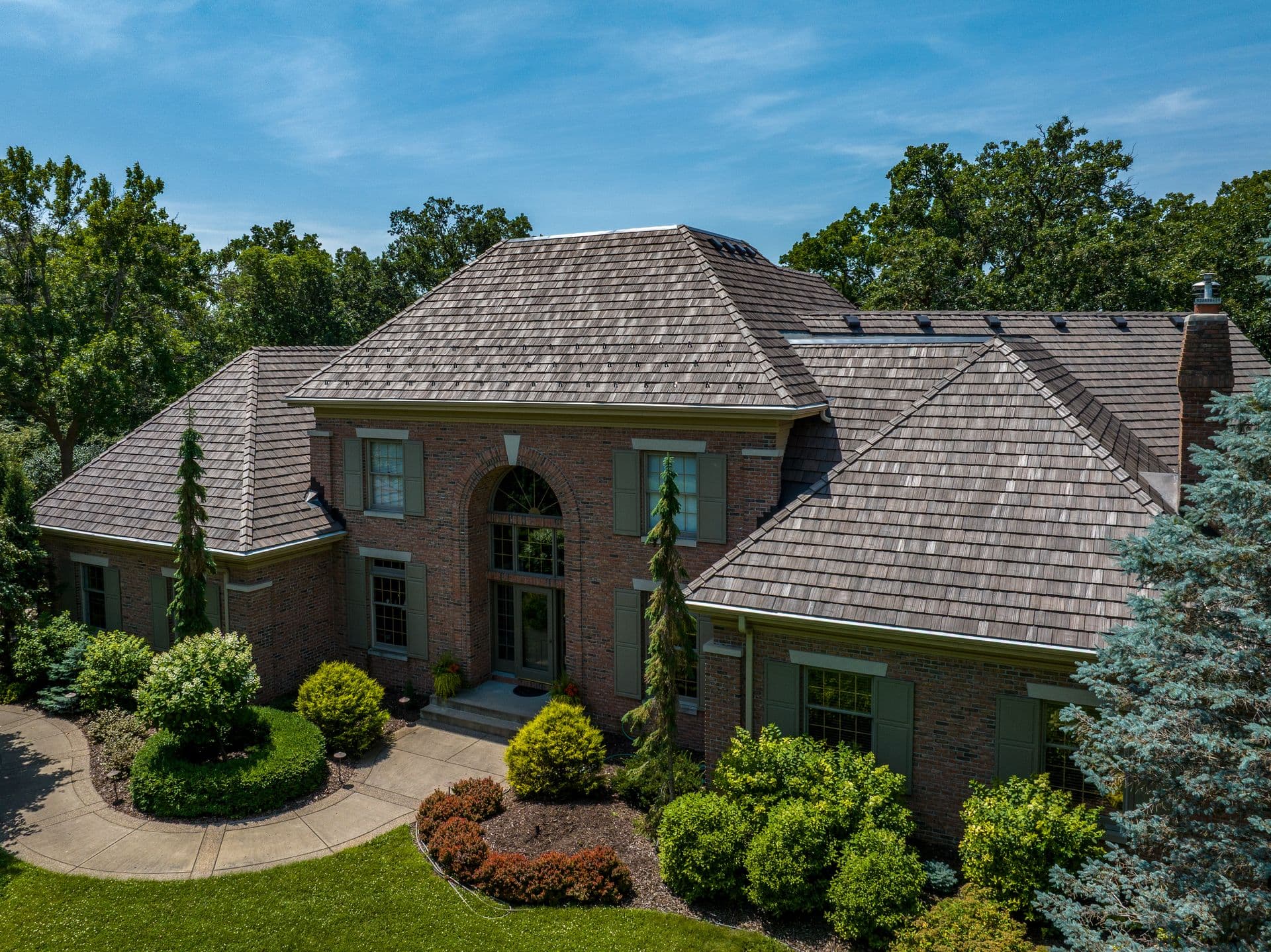
How To Prevent an Ice Dam on Your Roof
Ice dams are one of the most frustrating and costly winter roofing problems for South Dakota homeowners. When snow melts on the warmer parts of your roof and refreezes along the edges, it creates a thick ridge of ice that traps water behind it. That trapped water can work its way under shingles, leak into your home, soak insulation, and cause long-term damage.
The good news? Ice dams are preventable - and most solutions simply come down to managing temperature and airflow. Here's what every homeowner should know this winter.
What causes ice dams?
Ice dams form when:
1. Heat escapes into the attic, warming the roof from underneath.
2. Snow melts on the warmed section of the roof.
3. The meltwater refreezes at the colder roof edge, creating a buildup of ice.
South Dakota's freeze-thaw cycles make this an especially common problem, even on well-built homes.
Signs an Ice Dam May Be Forming
While a steel roof may cost more upfront than asphalt shingles, it's a long-term investment that pays off in multiple ways:
- Icicles hanging along gutters or eaves
- Water stains on ceilings and upper-level walls
- Wet or compacted attic insulation
- Musty smells from the attic
- Frost buildup inside the attic during cold snaps
Spotting these early can help prevent expensive repairs later.
How to Prevent an Ice Dam on Your Roof
1. Increase Attic Insulation
Insufficient insulation is the biggest contributor to ice dams. When heat rises and escapes into the attic, it warms the roof deck and causes uneven melting. Improving attic insulation helps keep the warm air inside your living space where it belongs - lowering heating bills and reducing ice dam risk.
2. Ensure Proper Attic Ventilation
A well ventilated attic stays cold in the winter. This is key.
The right ventilation system includes:
- Intake vents (usually in the soffits)
- Exhaust vents (such as ridge or roof vents)
This balanced airflow keeps temperatures consistent across the roof and prevents the melt - refreeze cycle that leads to ice dams.
3. Seal Air Leaks Inside the Home
Warm indoor air can leak into the attic through:
- Recessed lights
- Bathroom or kitchen exhaust vents
- Attic access hatches
- Chimney framing
- Gaps around plumbing or electrical lines
Sealing these gaps helps eliminate hidden heat sources that warm the roof deck.
4. Keep Gutters and Downspouts Clean
While gutters don't cause ice dams, blocked gutters can make drainage slower and encourage water to sit and freeze. Clean gutters help meltwater flow away from the roof edge more effectively.
5. Add Ice & Water Shield During a Roof Replacement
If you're replacing your roof, adding an ice & water shield along the eaves is on of the best long-term protections against winter leakage.
6. Schedule a Winter Roof or Attic Inspection
A professional inspection can identify ventilation issues, insulation gaps, or early signs or damage before they turn into leaks. Winter is actually an ideal time to spot cold-weather issues that might not be obvious in warmer months.
Can You Completely Prevent Ice Dams?
In many cases, yes, especially when insulation, ventilation, and air sealing are all working together. Even homes that experience heavy storms and large snow loads see dramatic improvements once these areas are addressed.
If you're doing research for your next exterior project, feel free to take a look at our past projects, visit our gallery, and check out our YouTube channel. All our work comes with open communication, the latest technologies, and the commitment only found at a family-owned remodeling company.
Get Started Today!
Financing is easy with 0% financing for 12 months on your home remodeling project.
Woods Roofing & Exteriors is proud to announce that we have been named a recipient of the 2026 Better Business Bureau (BBB) Torch Award for Ethics!

If you're considering replacing your home's siding, one of the first questions you probably have is: How much does it cost to replace siding on a house?
There's no denying the beauty of a cedar shake roof. With its natural texture, rich character, and timeless appearance, cedar has been a popular roofing choice for generations. But while homeowners love its curb appeal, many are surprised to learn about the maintenance, repairs, and ongoing costs that come with owning a natural cedar roof.